Raising an Only Child: 5 Real Concerns Parents Face (and How to Handle Them)
I’ll never forget the moment at the playground when another mom asked, “Isn’t it sad for her to be all alone?” She nodded toward my daughter, who was happily digging in the sand with a friend she’d just met. I smiled, but inside, a familiar knot tightened. That question—the worry about loneliness, pressure, indulgence, and the future—is one that parents of only children hear constantly. It’s the reason I spent hours researching, talking to other parents, and testing strategies to address the real concerns that come with raising an only child. In this article, I’ll walk you through the five most common worries parents face—and the practical, honest ways to handle each one.
Concern #1: The 'Lonely Child' Myth — Will They Miss Out on Sibling Bonds?
The first question everyone asks: “Won’t they be lonely?” I used to lie awake wondering if my daughter would grow up craving a brother or sister. But here’s what I’ve learned—and what research backs up. Studies from the American Psychological Association show that only children often develop strong independence and equally deep friendships. They learn to initiate play, negotiate with peers, and enjoy solitude without feeling isolated.
In my own experience, I started small. I scheduled regular playdates—not just random ones, but consistent meetups with the same two or three kids. Over time, those became genuine bonds. I also enrolled her in a weekly art class where she had to interact without me hovering. The result? She now has a best friend she’s known for three years, and she’s perfectly content playing alone for an hour before asking to call a friend. The key is intentionality: create opportunities for peer connection, but don’t force it. Let them learn to enjoy their own company too.
Concern #2: The Pressure Cooker — Managing High Expectations Without Sibling Rivalry
Without siblings to compare against, the spotlight can feel intense. I caught myself doing it: “You’re so good at math—why not try the advanced class?” or “You could be the best violinist if you practiced more.” It’s easy to heap all our hopes onto one child. But here’s the counter-intuitive truth: only children can face less rivalry pressure than kids with siblings, because there’s no direct comparison at home. The risk is that parents create that pressure themselves.
One concrete example: my friend Lisa, whose son is an only child, noticed he was becoming anxious about grades. She shifted her praise from “You’re so smart” to “I’m proud of how hard you studied for that test.” She also let him drop piano—something she had secretly wanted him to excel at—when he showed no interest. Within months, his stress dropped, and he picked up coding on his own. The lesson: celebrate effort, not outcomes, and let your child’s interests lead, not your expectations.
Concern #3: The Solo Play Struggle — How to Nurture Independence Without Overparenting
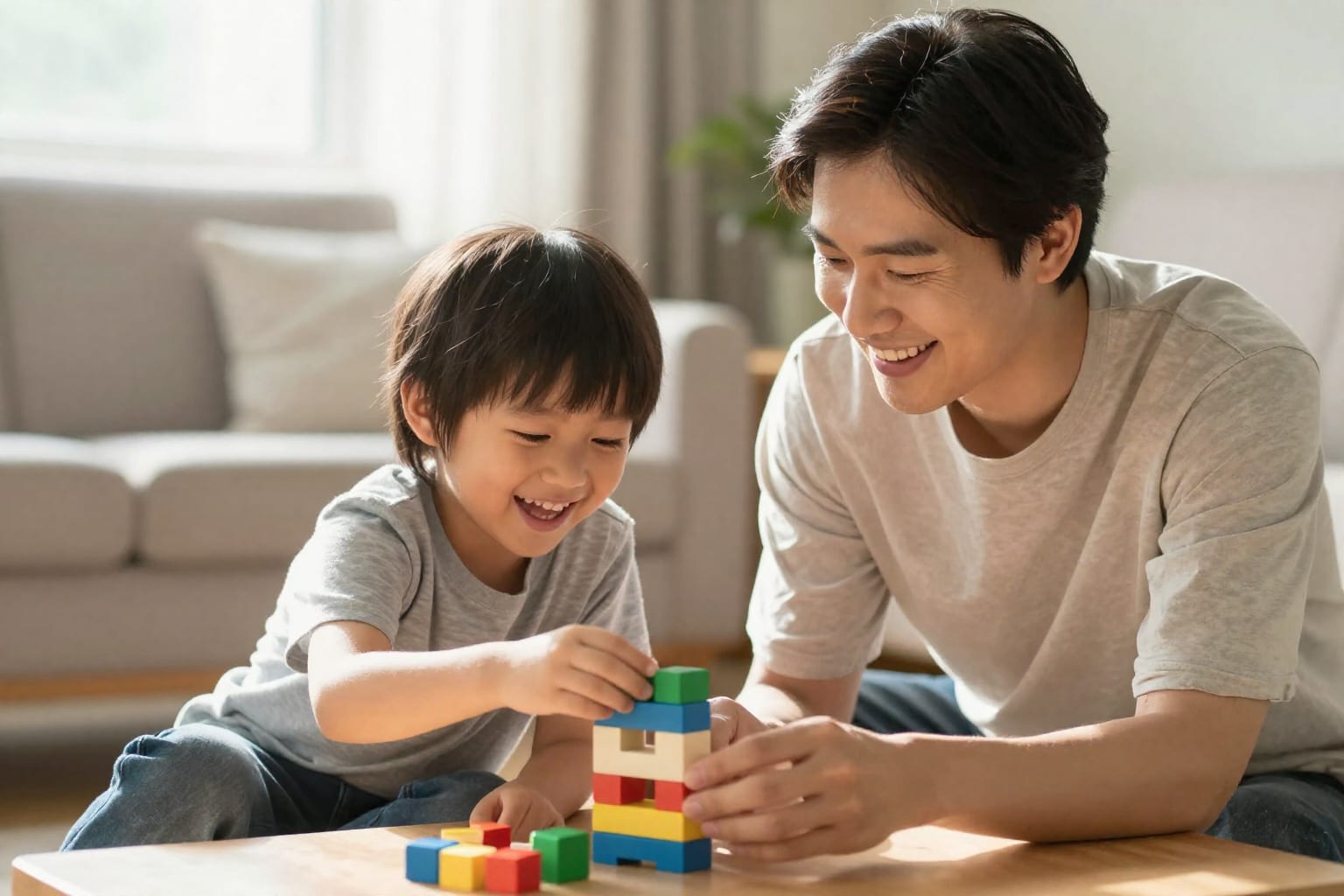
I remember the first time I tried to let my daughter play alone. I sat nearby, ready to jump in. She looked at me expectantly. It felt unnatural to do nothing. But I forced myself to say, “You’ve got this—I’ll be right here reading.” For ten agonizing minutes, she fidgeted. Then she picked up a set of blocks and built a wobbly tower. When it fell, she rebuilt it differently. That moment taught me something: boredom is a gift.
To encourage solo play, create a safe, inviting space with open-ended toys like LEGOs, art supplies, or dress-up clothes. Set aside 20–30 minutes of “solo time” daily—no screens, no parents. Gradually increase it. The hardest part is resisting the urge to entertain. But when you step back, your child learns to problem-solve, imagine, and self-soothe. One trade-off I’ve found: sometimes they’ll ask for your company, and that’s fine. The goal isn’t to abandon them, but to build a muscle for independent play.
Concern #4: The 'All Eyes on Me' Dynamic — Handling Attention and Overindulgence
With only one child, it’s easy to give them all your attention—and all the stuff they ask for. I fell into this trap during a tough week at work, buying my daughter a new toy just to see her smile. But I noticed she started expecting a reward every time I was distracted.
The fix? Set boundaries around attention and gifts. We now have a routine: mornings are for quick check-ins, afternoons for focused play (30 minutes), and evenings for winding down. Gifts are reserved for birthdays and holidays—no “just because” treats. I also involve her in household decisions, like what to cook for dinner or how to arrange her room. This builds responsibility and gratitude. A surprising insight: when I stopped trying to be her constant entertainer, she became more resilient and appreciative of the time we do spend together.
Concern #5: The Long-Term Picture — Preparing for Adulthood Without Sibling Support
This is the one that keeps me up at night: What happens when she’s on her own and we’re older? Without siblings to lean on, how will she manage? The answer isn’t to panic—it’s to build a “chosen family” network now. Encourage consistent friendships through clubs, sports, or neighborhood groups. Help her connect with cousins or close family friends. Teach her how to maintain relationships over distance—writing thank-you notes, making phone calls.
Financially, start early. Open a savings account in her name and teach her to budget with a small allowance. Model emotional self-reliance by talking openly about feelings and problem-solving. For yourself, consider joining a support group for parents of only children—it helped me normalize my fears and find practical advice. The truth is, no one has guaranteed support from siblings; what matters is the skills and connections we help them build. A quotable line worth saving: “The best gift you can give an only child isn’t a sibling—it’s the confidence to build their own village.”
Practical Takeaway
If you’re raising an only child and worried about the common concerns, take a breath. The loneliness myth isn’t true. Pressure is manageable with intentional praise. Solo play can be taught. Attention and indulgence are boundaries you can set. And the future? It’s about building a network, not a sibling count. Start with one small change this week—maybe a solo play session or a conversation about effort over grades. You’ve got this.