How to Make Bolognese From Scratch Low and Slow – 4-Hour Ragu
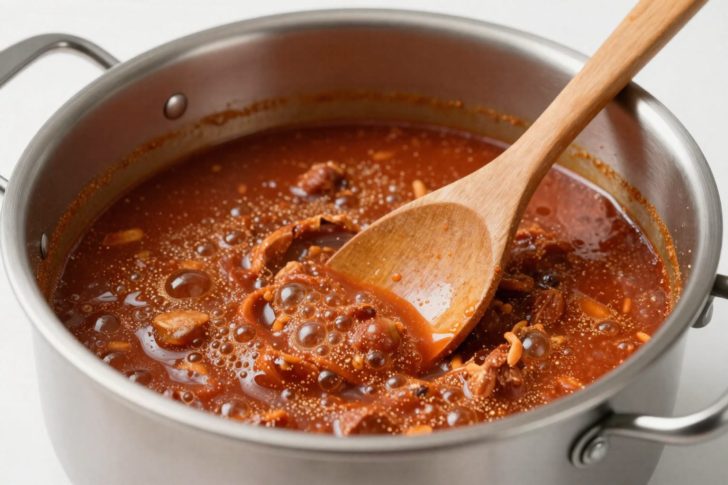
Why Low and Slow? The Science Behind a 4-Hour Bolognese
I first committed to a four-hour Bolognese on a gray Saturday in February, mostly because I didn’t believe the hype. How could a few extra hours on the stove possibly transform ground meat and canned tomatoes into something worth writing home about? By hour two, I was a believer. By hour four, I was a convert. Here’s what happens in that time: collagen from the meat slowly breaks down into gelatin, which gives the sauce that silky, almost velvety mouthfeel you can’t fake with a roux or a splash of cream. The milk proteins gently tenderize the meat, while the alcohol in the wine evaporates, leaving behind concentrated fruit and acid. And the tomatoes? They lose their raw edge and meld into a deep, savory sweetness. This isn’t just simmering—it’s a controlled chemical transformation that a 30-minute weeknight sauce can’t touch.
The other piece is flavor layering. When you cook soffritto low and slow, the onions, carrots, and celery release their sugars gradually, browning without burning. The pancetta renders its fat, which then coats every piece of meat. Each addition—wine, milk, tomatoes—gets time to marry before the next one arrives. By the end, you have a ragu where every ingredient is recognizable but inseparable from the whole. That why low and slow bolognese works isn’t a secret; it’s just patience applied to a pot.
Essential Ingredients for an Authentic 4-Hour Ragu
Let’s talk specifics, because not all ingredients are created equal when you’re spending four hours with them.
The Meat Blend
Authentic ragù alla bolognese ingredients typically call for a mix of ground beef (chuck is ideal—80/20) and ground pork shoulder. The beef gives structure; the pork adds fat and a subtle sweetness. Some recipes include pancetta, and I’m in that camp. Pancetta brings a concentrated porkiness that bacon can’t match (bacon is smoked, which overwhelms the delicate balance). If you can’t find pancetta, use unsmoked guanciale or just add a bit more pork.
The Soffritto
Equal parts onion, carrot, and celery, finely diced. Some cooks go heavy on the onion; I prefer a 2:1:1 ratio (two parts onion, one each carrot and celery). The carrot adds a touch of sweetness that rounds out the acidity.
Liquid Gold: Wine and Milk
Dry red wine—something you’d drink, like a Sangiovese or Merlot—is non-negotiable. It adds acidity and complexity. The milk is the secret weapon. Yes, milk. Whole milk, not skim. The lactic acid tenderizes the meat, and the sugars contribute a faint sweetness that balances the tomatoes. Pour it in after the wine has mostly evaporated, and let it cook until it’s almost gone.
Tomatoes
Skip the fresh tomatoes in winter. Use good-quality canned San Marzano tomatoes, crushed by hand. Passata (strained tomatoes) also works but yields a smoother sauce. Don’t use tomato paste as a base—it’s too concentrated for a long simmer and can turn bitter.
The Finish
Salt, pepper, and a splash of leftover milk or broth if it gets too thick. That’s it. No garlic, no herbs except maybe a bay leaf (which I remove before serving). Herbs like oregano or basil should be added fresh at the end, if at all.
Step-by-Step: Building the Bolognese From Scratch
Here’s exactly how I do it, including the mistakes I’ve made so you don’t have to.
Start the Soffritto
Heat a heavy-bottomed pot (I use a 5-quart Dutch oven) over medium-low. Add a tablespoon of olive oil and a knob of butter. Once the butter foams, add the diced pancetta (about 4 ounces) and cook until it renders some fat and starts to crisp, about 5 minutes. Then add the soffritto—1 large onion, 1 carrot, 1 celery stalk, all finely diced. Stir frequently. You want them soft and golden, not brown. This takes 10-12 minutes. Patience here pays off.
Brown the Meat
Add the ground meats: 1 pound beef chuck and 1 pound pork shoulder. Break it up with a wooden spoon, but don’t stir constantly. Let it sit and develop a crust. After about 8 minutes, when the pan starts to look dry and the meat is browning, stir and scrape up the fond. Season lightly with salt and pepper.
Deglaze with Wine
Pour in 1 cup of dry red wine. Scrape the bottom of the pot with your spoon to release all those browned bits. Let the wine bubble until it’s almost completely evaporated—about 5 minutes. You should smell the alcohol cooking off and the wine concentrating.
Add the Milk
Pour in 1 cup of whole milk. Reduce the heat to low. Let it simmer gently, stirring occasionally, until the milk is mostly absorbed and the sauce looks creamy, about 10 minutes. This step is where the magic starts.
Add the Tomatoes and Simmer
Add 2 cups (about one 28-ounce can) of crushed San Marzano tomatoes. Stir everything together, bring it to a bare simmer—tiny bubbles, not a rolling boil—and then reduce the heat to the lowest setting your stove can maintain. Partially cover the pot (leave a crack for steam to escape) and let it cook for 3.5 to 4 hours. Stir every 20-30 minutes, scraping the bottom to prevent sticking. If the sauce gets too thick, add a splash of water or leftover milk.
How to make bolognese from scratch low and slow is really about managing that gentle simmer. Too high and the sauce reduces before the flavors meld; too low and it never concentrates.
Pro Tips for Maximum Depth and Silky Texture
After a dozen or so batches, here are the tricks I’ve landed on for silky bolognese texture and deep flavor bolognese tricks.
Deglaze Twice
Some cooks deglaze only with wine. I deglaze twice: first with the wine, then with a splash of the milk. That second deglaze picks up any remaining fond and incorporates it into the sauce without adding more acidity.
Skim the Fat, But Not All of It
After about 2 hours, you’ll see a layer of orange fat rise to the top. Skim most of it off with a spoon—too much fat makes the sauce greasy. But leave a thin layer (about a tablespoon’s worth) for flavor and mouthfeel. Some of it will re-emulsify as the sauce cools.
Acidity Check
Near the end, taste the sauce. If it tastes too sharp (from the tomatoes or wine), add a pinch of sugar or a splash of milk. If it’s flat, add a few drops of red wine vinegar or a squeeze of lemon. That adjustment is the difference between a good sauce and a great one.
Rest Overnight
This is the pro move no one talks about. Let the sauce cool, then refrigerate it overnight. The next day, the flavors are deeper, the texture is silkier, and the fat solidifies on top so you can remove it precisely. Reheat gently with a splash of water or broth. It tastes like you spent two days cooking, even though you only spent one.
Serving, Storing, and Using Leftover Ragu
How to serve bolognese is straightforward: over pasta that can hold the sauce. Tagliatelle is the classic choice—the flat ribbons catch every bit of meat. Pappardelle, rigatoni, or even paccheri work well. Avoid spaghetti; the sauce slides right off. Toss the cooked pasta with a ladle of sauce and a tablespoon of pasta water to help it cling. Finish with freshly grated Parmigiano-Reggiano, never the stuff in a green can.
For freeze bolognese sauce, let it cool completely, then portion it into freezer-safe bags or containers. It keeps for 3 months. Thaw overnight in the fridge and reheat gently. The sauce often tastes better after freezing because the flavors continue to meld.
Bolognese leftover ideas go beyond pasta. Spread it over creamy polenta. Use it in lasagna (skip the béchamel for a meatier version). Spoon it over baked potatoes or stuff it into roasted bell peppers. I’ve even used it as a filling for hand pies—just wrap the ragu in puff pastry and bake until golden.
One final note: this sauce is a gift that keeps giving. The first night, it’s excellent. The second night, it’s transcendent. Don’t be shy about doubling the recipe and freezing half. Your future self will thank you.
Practical takeaway: Commit to the four-hour simmer, use quality ingredients, and don’t skip the milk. Your Bolognese will be rich, silky, and deeply savory—worth every minute.